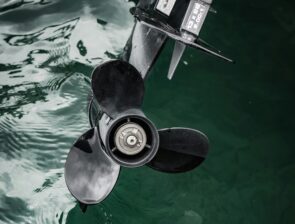
What you need to know before renting a boat
For those who are not familiar with the boating world, renting a boat may seem more complicated than it actually is. First-time renters often have the same questions: what documents are required? Do I need a boating license? Who prepares the boat before departure? What happens before leaving the marina?
In reality, the boat rental process follows well-defined procedures designed to ensure that everyone on board can enjoy their time at sea safely and with confidence. Behind every boat ready to leave the dock lies much more than a confirmed booking: it involves experienced professionals, technical expertise, and increasingly, digital technologies that help rental companies manage their fleets more efficiently.
Before departure: what you need to rent a boat
The rental process is generally straightforward, but it does involve a few essential checks. The first step is providing the required documentation. When signing the rental agreement, you will typically need to present a valid ID and, where required for the type of vessel selected, a valid boating license. Depending on the rental company and the type of boat, a security deposit may also be required, usually held on a credit card as a guarantee for the vessel during the rental period.
It is also important to clarify exactly what is included in the rental service before departure. Policies may vary from one company to another: fuel may either be included in the price or charged based on consumption, while some onboard equipment and optional extras may be included or available at an additional cost. It is equally advisable to review the insurance coverage provided by the rental agreement, as well as any deductibles or liabilities that remain the responsibility of the customer. Understanding these details in advance helps avoid misunderstandings when returning the boat.
Boating license: when is it required?
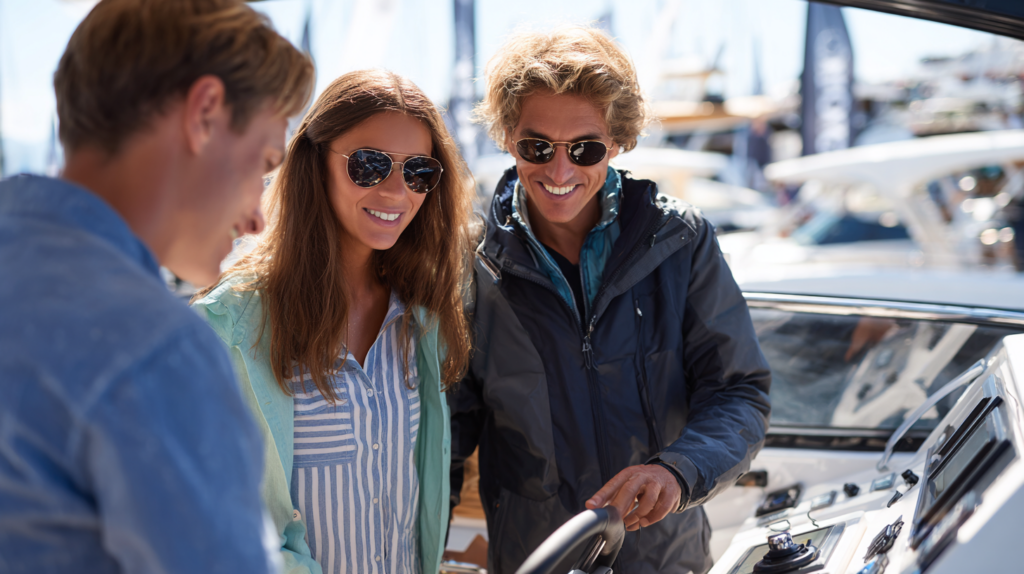
One of the most common questions concerns the boating license. Not every vessel requires one. In Italy, whether a boating license is mandatory depends on several factors, including the type of boat, engine power, and the intended navigation limits established by national regulations. Sincethis topic deserves a more detailed explanation, you can find here a dedicated guide covering when a boating license is required, the legal limits, and the situations in which you are allowed to navigate without one. In any case, the rental company will always verify that you meet the necessary requirements before handing over the vessel and will provide all the information you need for a safe and enjoyable trip.
With or without a skipper: two different ways to experience the sea
Choosing between a bareboat charter and a skippered rental mainly depends on the type of experience you are looking for. If you hold the required qualifications and are confident handling a boat, you can enjoy complete freedom by navigating independently and planning your own itinerary. For many people, however, hiring a skipper offers significant added value. A skipper does much more than simply operate the boat: they know the local waters, understand changing sea conditions, and can recommend the best routes and destinations based on the day’s weather. This can make a real difference, especially for visitors exploring an area for the first time or for those who simply want to relax and enjoy the experience without worrying about navigation or manoeuvres.
What happens before every departure
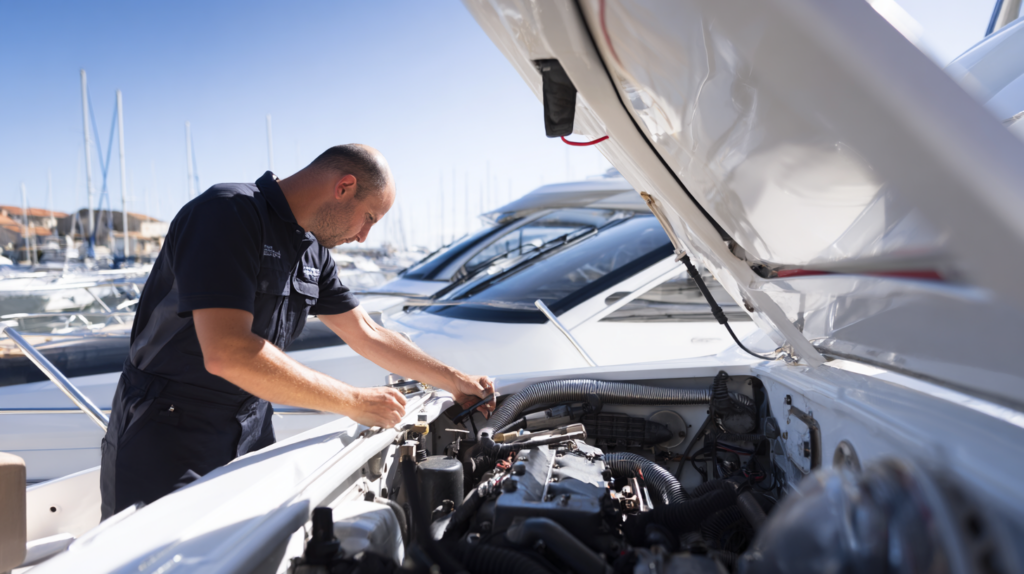
When customers arrive at the marina, they see a boat that is ready to set sail. What often goes unnoticed is all the work that happens beforehand. Every vessel undergoes a series of inspections before being handed over. The engine, onboard instruments, safety equipment, fluid levels, and the boat’s overall condition are carefully checked to ensure everything is in proper working order. Alongside the technical team, booking and customer service staff help clients choose the most suitable boat according to the number of passengers, their boating experience, and the type of trip they are planning.
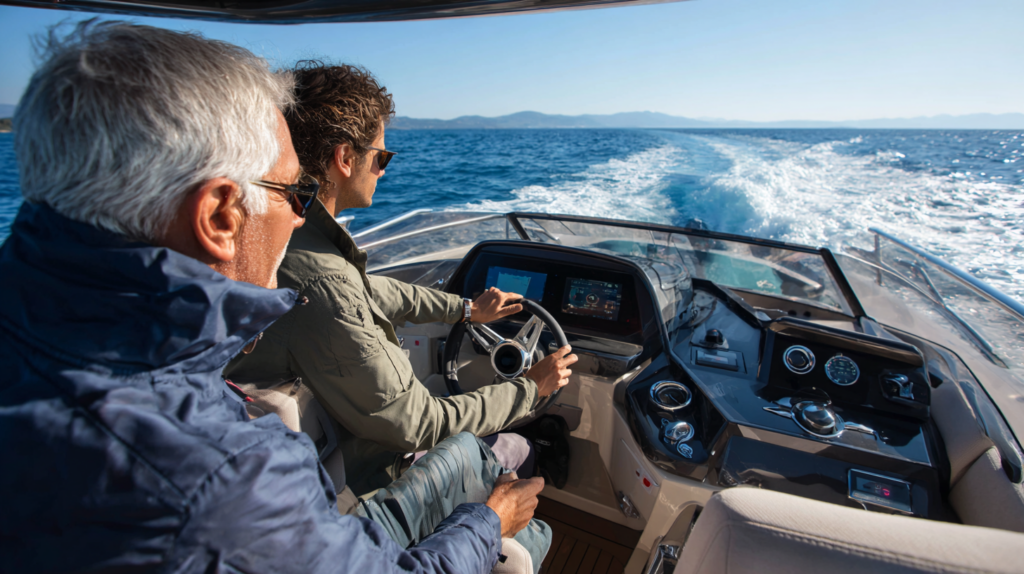
A particularly important step is the pre-departure briefing. Before leaving the marina, customers receive an introduction to the boat, its main controls, onboard safety equipment, and the basic procedures to follow during navigation. It is a brief, but fundamental passage: it allows everyone on board to become more familiar with the boat and enjoy the day with greater peace of mind.
Safe navigation starts with knowing the rules
Once you leave the marina, the person in charge of the vessel becomes responsible for the safety of everyone on board and for complying with navigation regulations. This means respecting speed limits near the coast, keeping clear of designated swimming areas, carefully monitoring weather and sea conditions, and using onboard safety equipment correctly. Safe boating is never the result of a single factor but rather the combination of preparation, awareness, and respect for established procedures.
Technology is changing the way boat rental fleets are managed
In recent years, the charter industry has increasingly adopted digital technologies to support daily fleet management. Managinga fleet involves much more than simply keeping track of boat availability. It also requires monitoring vessel movements, improving safety, and responding quickly whenever assistance is needed.
Among the most valuable technologies available today is geofencing, a GPS-based feature that allows operators to create virtual boundaries on a map. For rental companies, this means defining specific operating areas and receiving automatic notifications whenever a vessel enters or leaves a designated zone. This functionality helps monitor vessel movements within predefined areas, identify unusual activity, and maintain greater awareness of each boat’s location at all times. This is precisely where Orizon, the smart fleet management platform developed by Cartello, makes a difference. Through advanced monitoring tools and features such as geofencing, Orizon provides rental operators with a comprehensive overview of their fleet, helping improve operational efficiency and streamline everyday management.
What to bring on board for a stress-free day at sea
A day on the water doesn’t require extensive preparation, but bringing only the essentials will help you avoid unnecessary inconvenience—space on board is often limited.
Here’s a simple checklist:
- Plenty of drinking water and light snacks.
- Reef-friendly sunscreen, a hat, and sunglasses.
- A light change of clothes for the return trip.
- A waterproof pouch for your phone and important documents.
Preparation makes all the difference
Today, renting a boat is an experience that is accessible even to people with little or no boating experience. Thebest way to enjoy it is to arrive well prepared. Knowing which documents are required, understanding the difference between skippered and bareboat rentals, checking what is included in the service, and choosing a company that follows clear and professional procedures all contribute to a more enjoyable and worry-free experience. Behind every successful day at sea are skilled professionals, thorough inspections, and modern technologies working together. It is this often unseen organization that transforms a simple boat rental into a safe, smooth, and memorable experience.